会場
Venue: SHOZAN KYOTO
A beautiful garden as a destination.
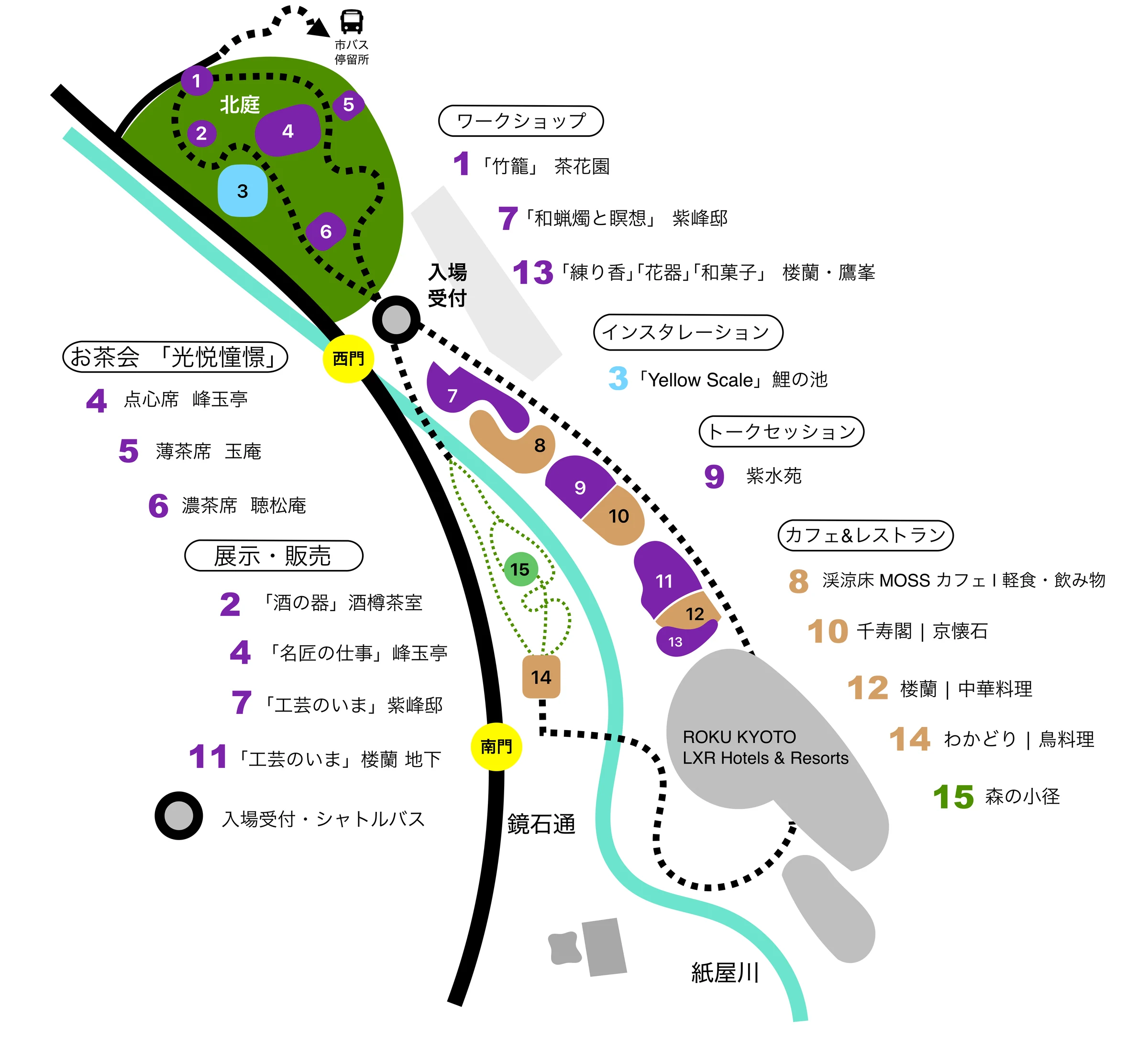
SHOZAN KYOTO is a 115,000 m² garden estate in Takagamine, Kyoto. On land deeply tied to Hon'ami Kōetsu's artists' village, tea houses, guest halls, and moss gardens welcome visitors in that spirit.
Venue Map会場マップ
The Land Before SHOZAN Kyoto鷹峯と光悦の芸術村
The placeしょうざん
SHOZAN Kyoto stands in Takagamine (鷹峯), the wooded northern edge of Kyoto where the city gives way to hills. The garden we walk today is a twentieth-century creation, but the ground beneath it holds four centuries of Kyoto's cultural memory — Kōetsu's artists' village, one of Hideyoshi's ramparts, and the relocated houses of painters, tea masters and merchants. What follows is a short history of the land and of the principal buildings gathered upon it.
Kōetsu's artists' village光悦の芸術村(1615)
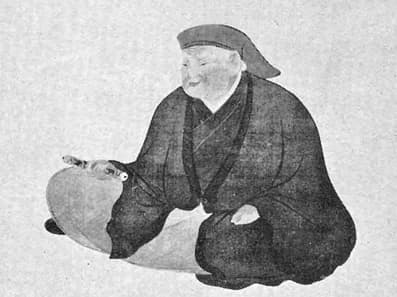
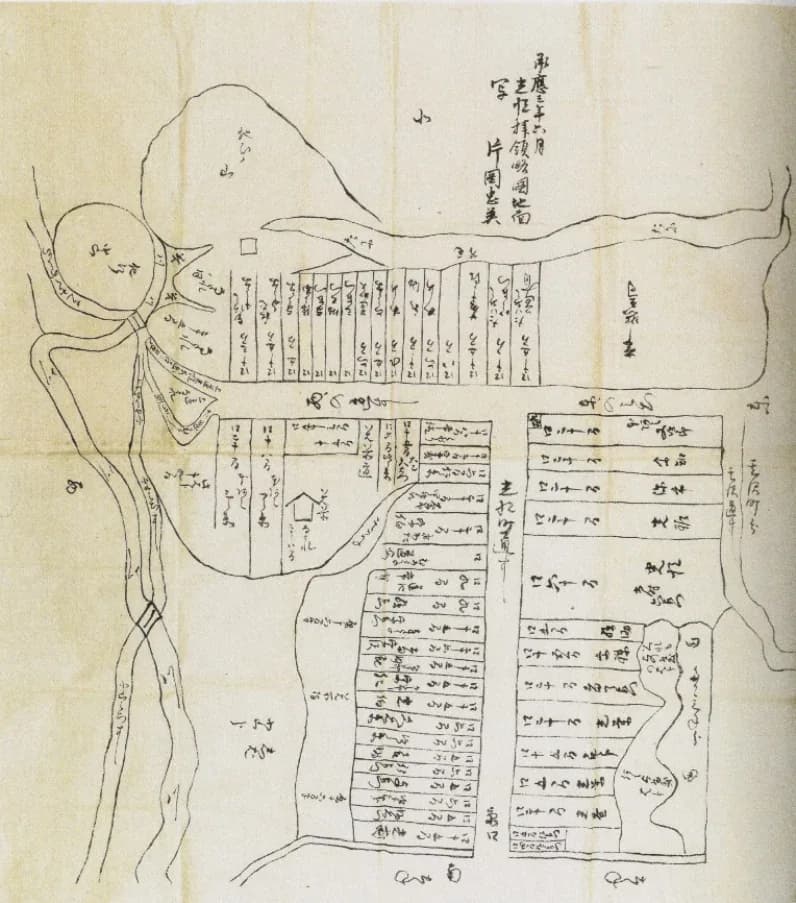
In 1615, in the aftermath of the Siege of Osaka, Tokugawa Ieyasu granted the calligrapher and connoisseur Hon'ami Kōetsu a tract of land at Takagamine. Around him Kōetsu gathered some fifty households of artisans and merchants — papermakers, brush-makers, lacquerers and potters, many united by the Nichiren Buddhist faith — in what is often called Japan's first artists' colony. From it came ceramics, lacquer, calligraphy and the celebrated Kōetsu-bon printed books, and its spirit would flow into the Rinpa school through descendants of the Ogata family, ancestors of Kōrin and Kenzan. The village dispersed after Kōetsu's line returned the land in 1679; his residence is remembered today at the nearby temple Kōetsu-ji. SHOZAN Kyoto does not stand on that original village: it lies in the same district of Takagamine and was consciously built to carry forward its name and spirit. A seventeenth-century map, the Kōetsu-machi zu, still survives — the original at Kōetsu-ji, with copies at Waseda University.
Historic Buildings of SHOZAN Kyotoしょうざんの歴史的建造物
The Odoi wall御土居
Older still is the earthwork along the northern boundary. In 1591 Toyotomi Hideyoshi raised a great rampart, the Odoi (御土居), around the whole of Kyoto — some twenty-two kilometers of embankment that fixed the line between the inner city (rakuchū) and the country beyond, doubled as a levee for the Kamo River, and marked the gates of the capital. Most was leveled as Kyoto grew; a few stretches survive, nine of them now protected as National Historic Sites. One of the best preserved runs here at Takagamine, spared because it stood at the city's rural edge.
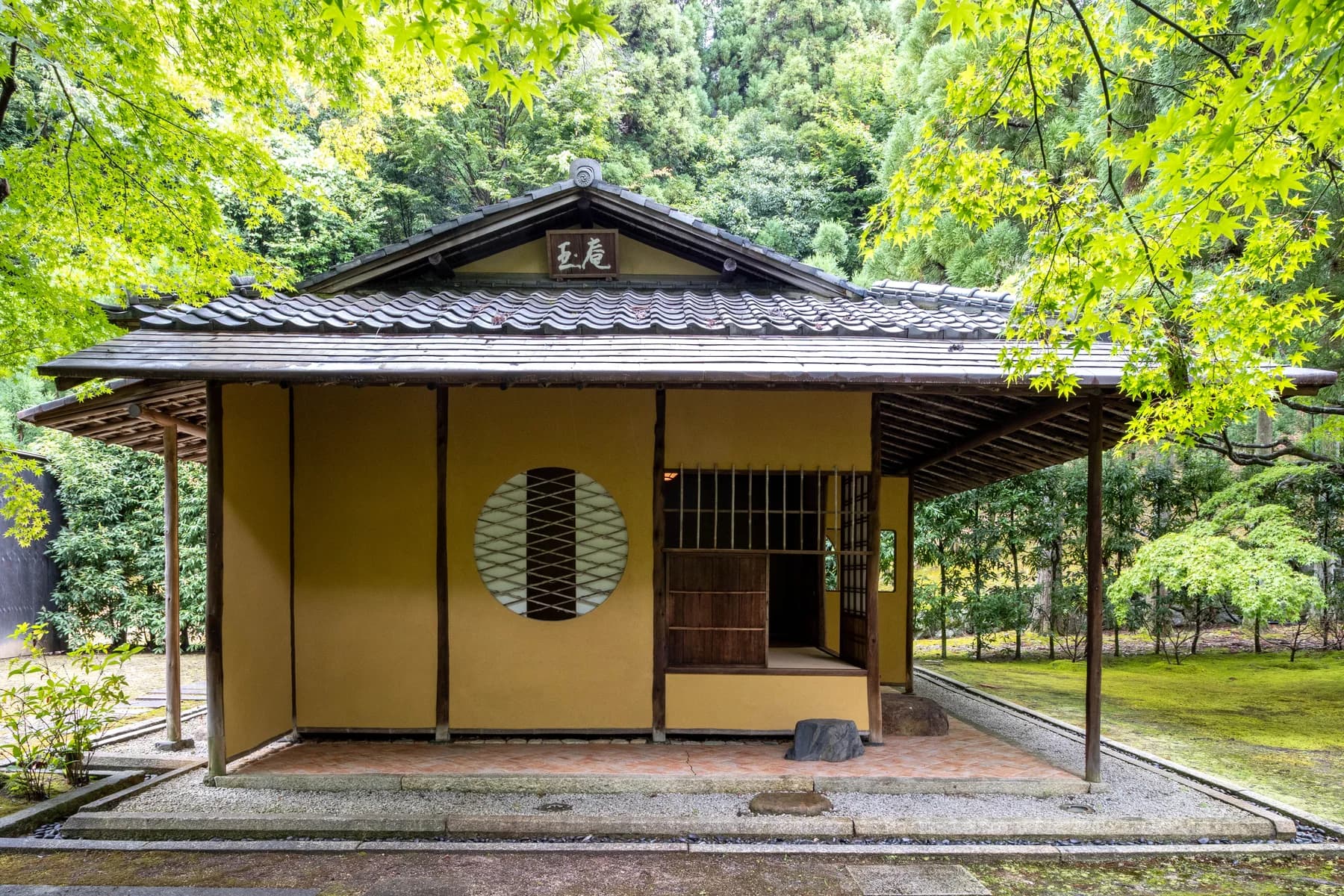
Gyokuan玉庵
One of the seven principal buildings in the garden, and one of its tea houses, Gyokuan is a small tea room moved to SHOZAN Kyoto in 1964; its name is said to have been given by the tenth head abbot of Daitokuji. Its earlier history is little documented, which lends it a quiet mystery among the garden's more storied halls.
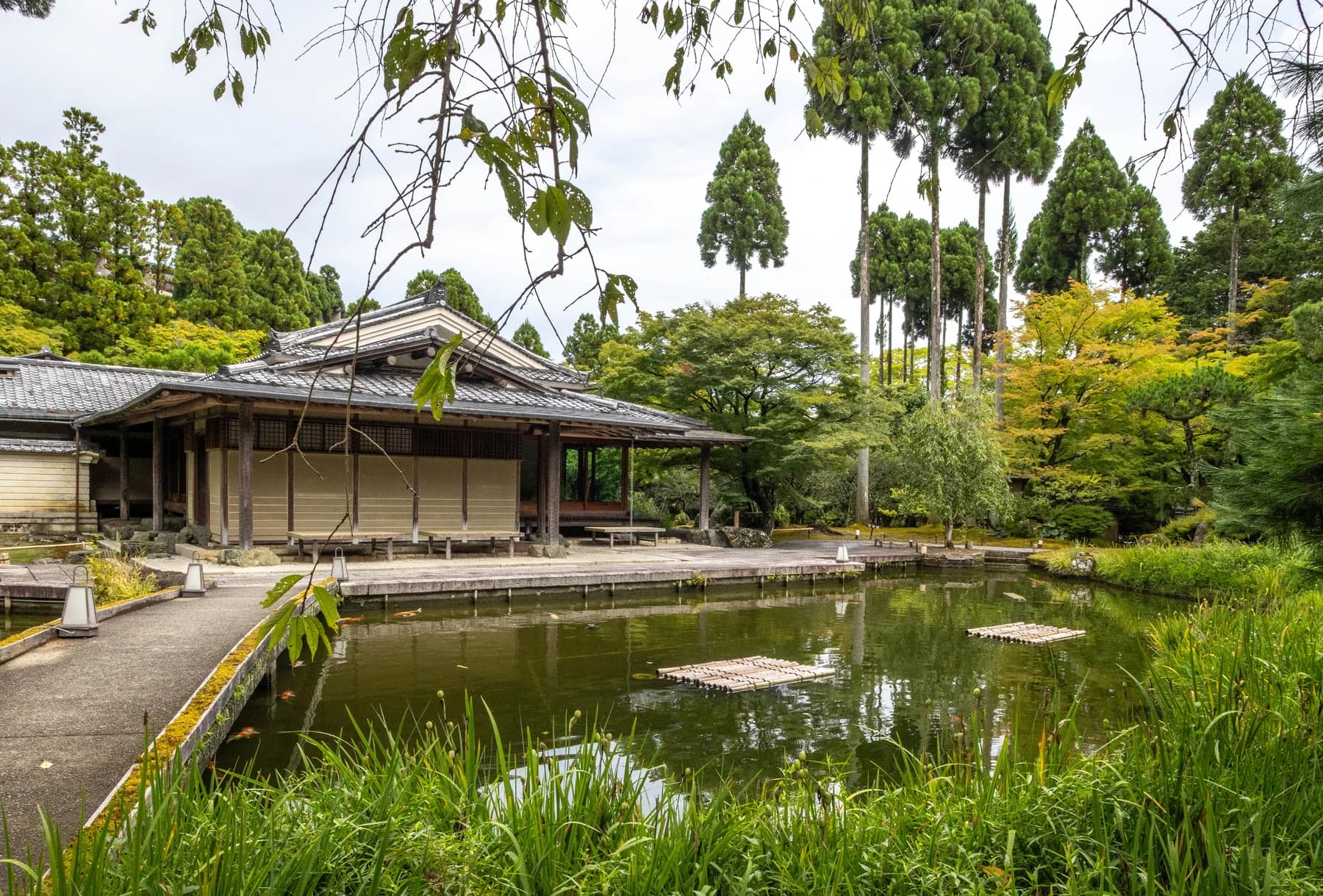
Hōgyokutei迎賓館(峰玉亭)
The grandest interior in the garden is Hōgyokutei, the guest house Matsuyama built new around 1965 as the fullest expression of his love of building. Sukiya carpenters wrapped six tatami rooms behind an engawa corridor, under bamboo ceilings and gold-brocade fusuma. Two rooms honor Kyoto masters: the Seihō Room, with gilded fusuma and a scroll associated with Takeuchi Seihō, and the Ōkyo Room, with fusuma paintings attributed to Maruyama Ōkyo. Some unconfirmed accounts also name Itō Jakuchū and Tomioka Tessai as the artists of the gold-ground crane paintings in the building.
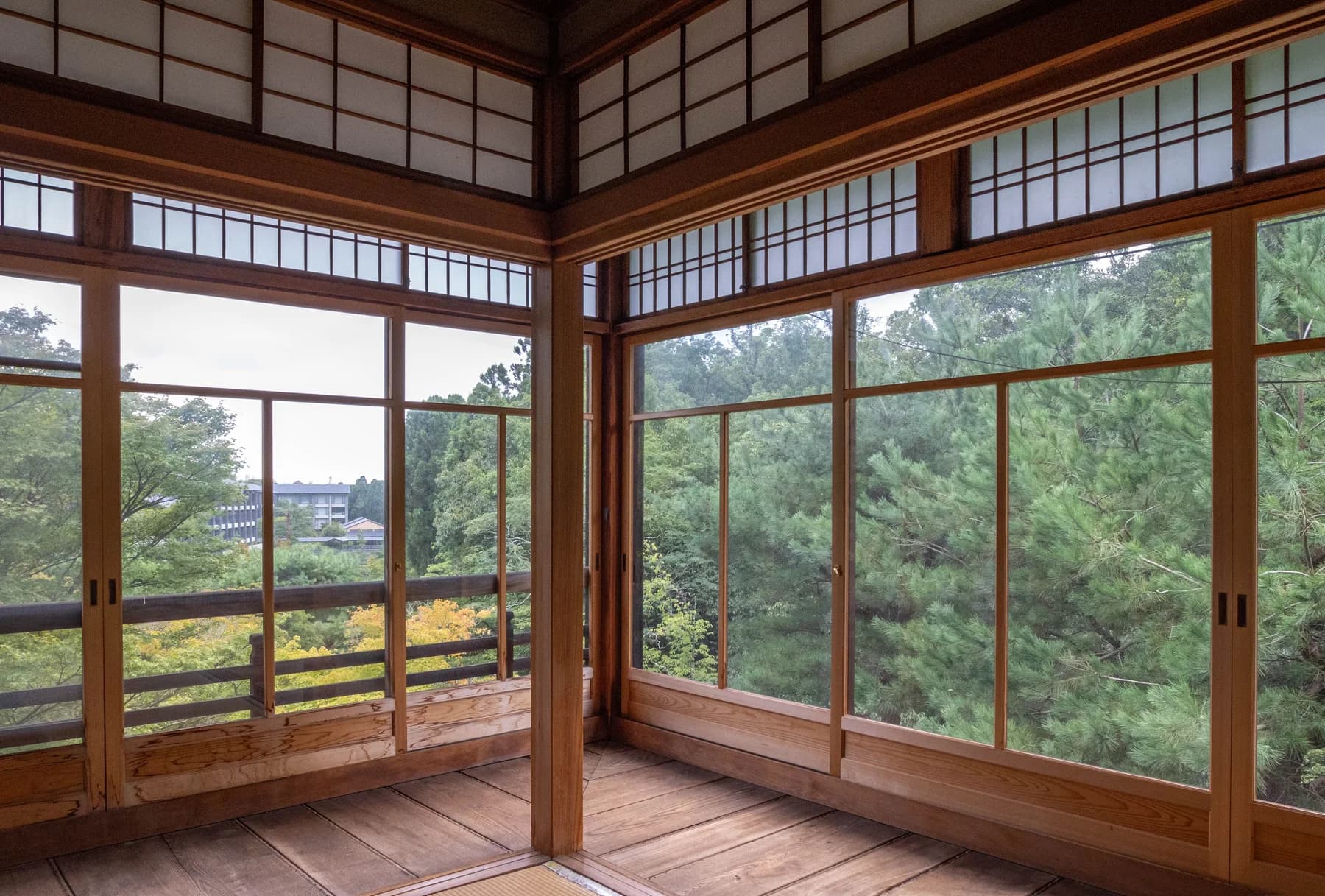
Shihō-tei紫峰邸
Shihō-tei was the home of the Nihonga painter Sakakibara Shihō (1887–1971). Kyoto-born and the son of a painter, Shihō helped found the Kokuga Sōsaku Kyōkai in 1918 — a movement to renew Japanese painting — and is remembered for tranquil, closely observed birds, flowers and animals; he later taught at what became the Kyoto City University of Arts and received the Japan Art Academy Prize in 1962. His residence, built near Daitokuji around 1939, was moved to SHOZAN Kyoto in 1955, where its southern rooms cantilever on a concrete platform out over the Kamiyagawa valley.
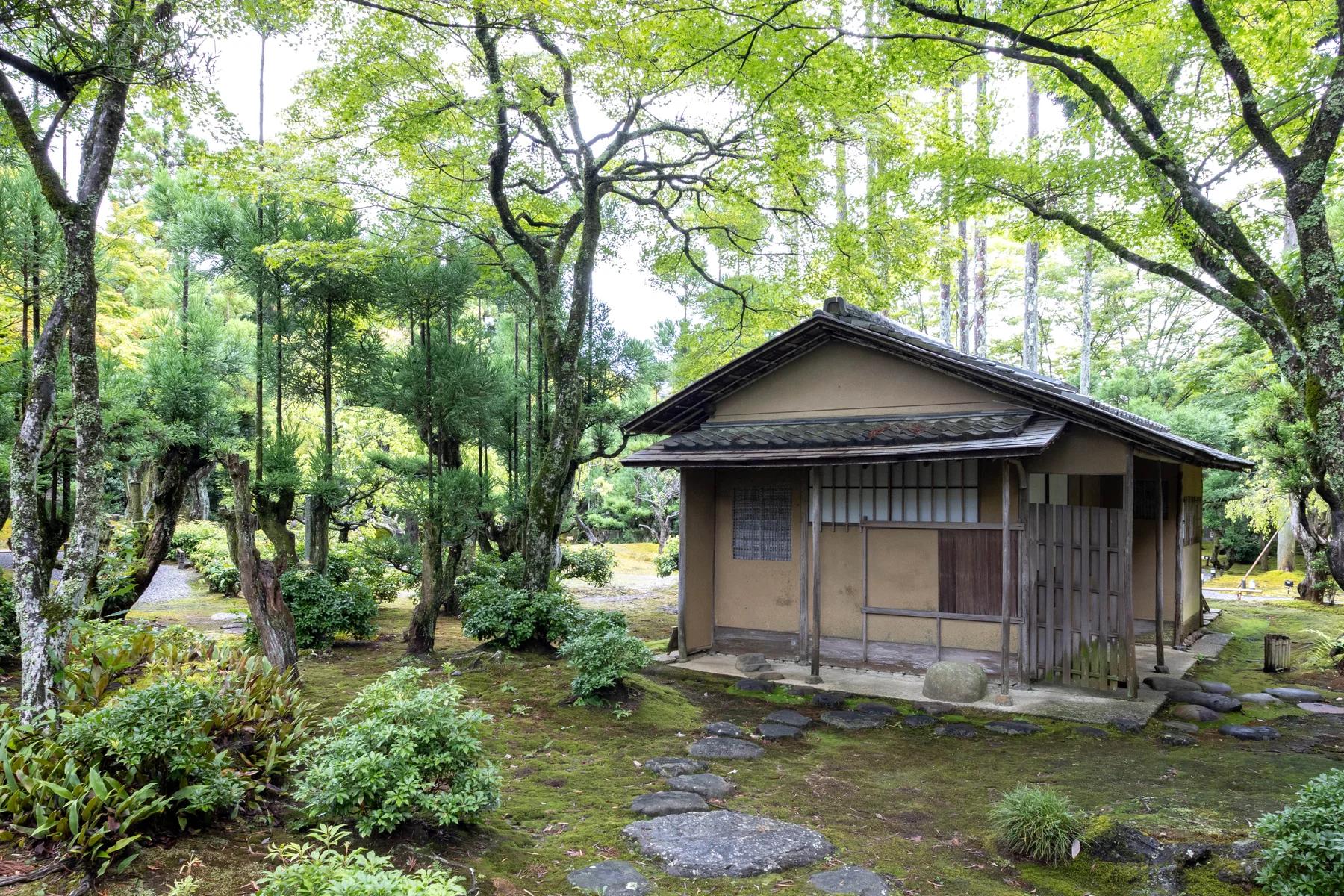
Chōshōan聴松庵
Among the oldest buildings in the garden, Chōshōan is a tea house of the late Edo period, linked to the Sunshōan tea room of a Daitokuji sub-temple and attributed to Gengensai, the eleventh grand master of Urasenke. Left derelict after the anti-Buddhist upheavals of the early Meiji years, it was moved once within Daitokuji and then, in 1951, relocated again to SHOZAN Kyoto — a faithful move that kept its original character. It is a single-story, timber-framed building roofed in copper sheet.
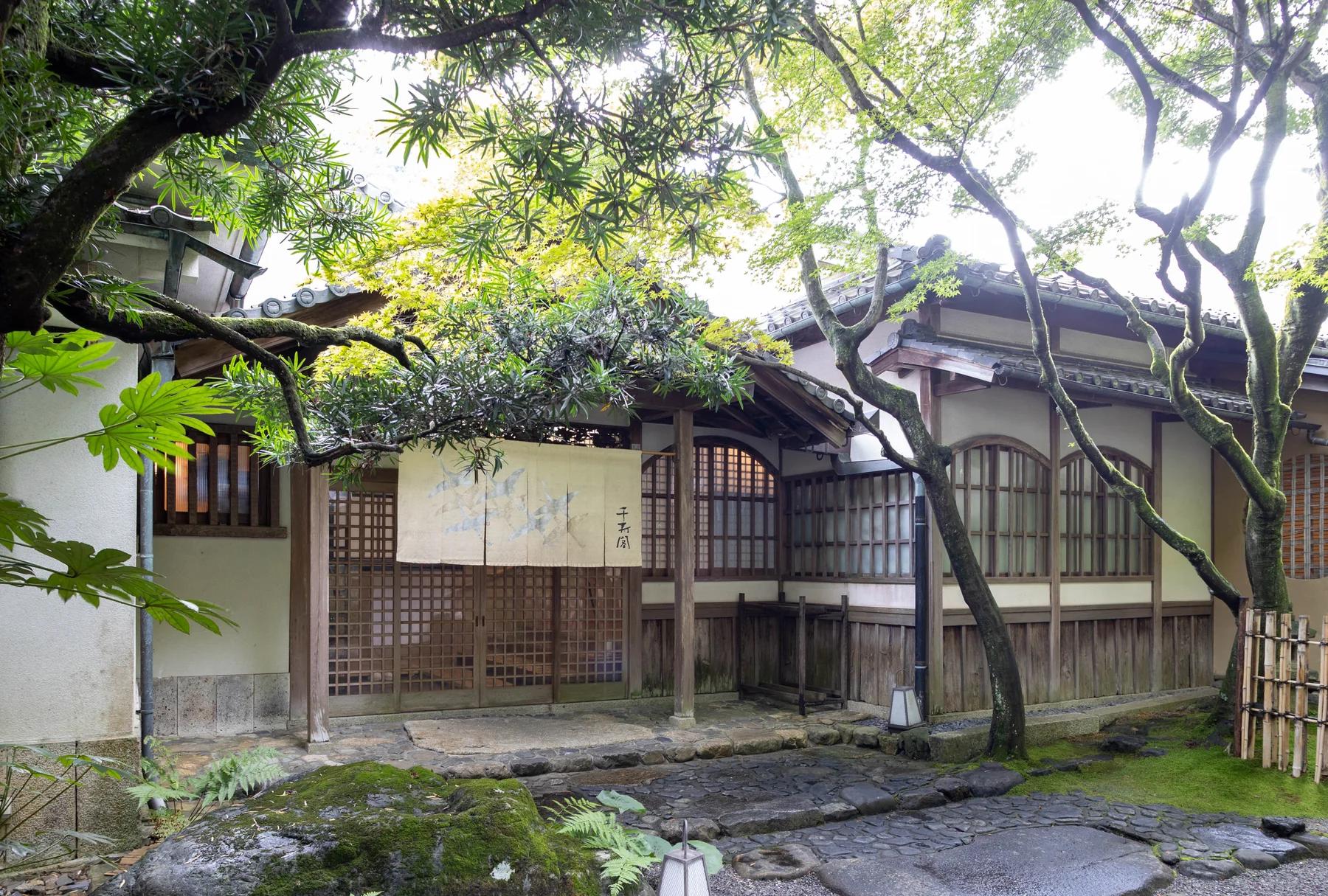
Senjukaku千寿閣
Senjukaku is the former villa of the Nihonga painter Suzuki Shōnen (1848–1918), built at the foot of Narabigaoka and once known as Shōsenkaku. Its north tower, the Seijudō, still carries a plaque dated 1913, and carved transoms of phoenixes and arabesques give the two-story, tile-roofed building a strong literati flavor. Relocated to SHOZAN Kyoto in 1959, it serves today as a restaurant.
Shouhou-tei松峰邸
Shouhou-tei is a Meiji-era machiya — the former Ōyabu house, once a lumber wholesaler in Nishinokyō. A two-story, tile-roofed townhouse, it was the last building brought into the garden, relocated in 1978, and now also serves as a restaurant.
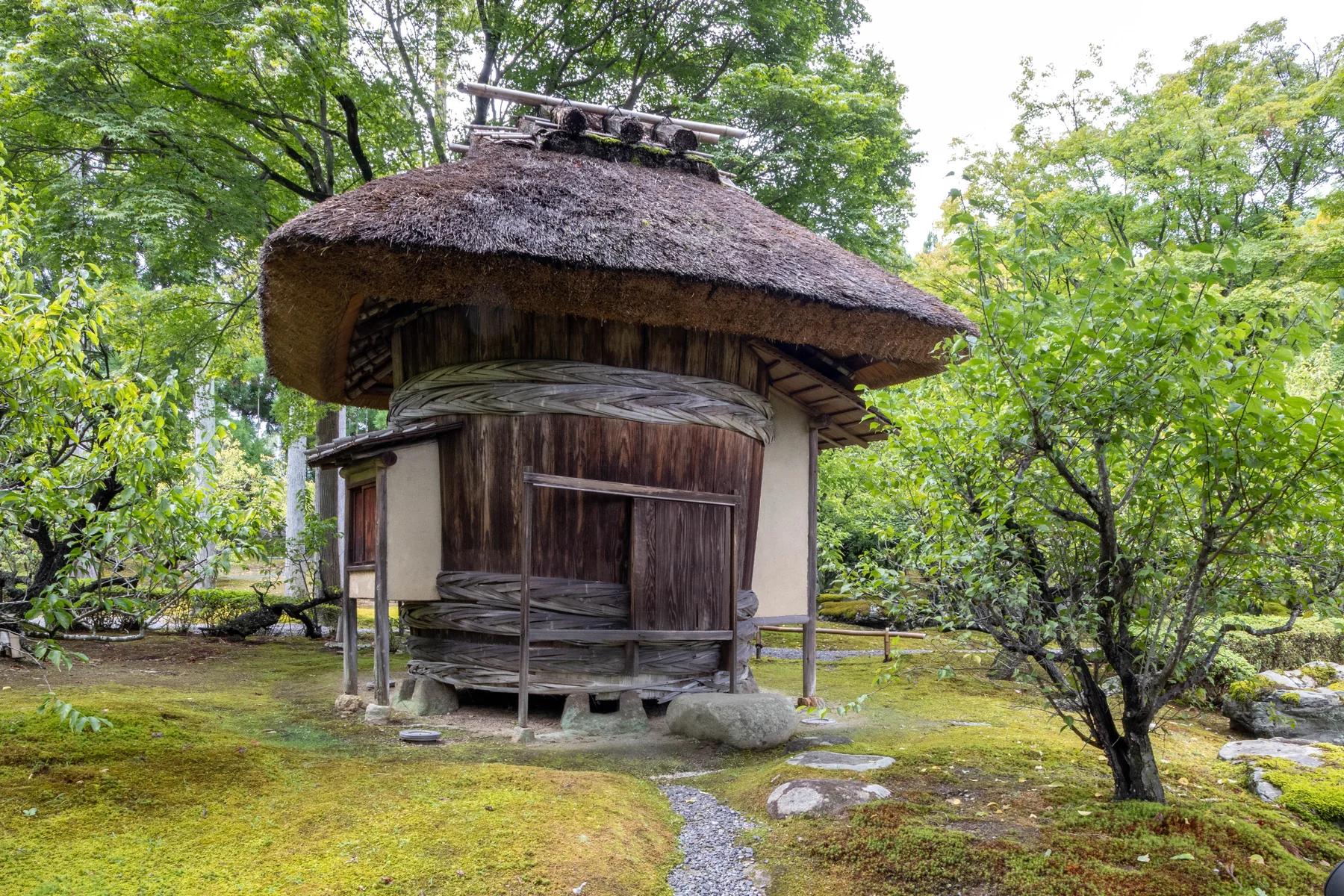
Sakadaru酒樽茶室
The most singular of the tea houses are two small thatched pavilions built on a circular plan from sake barrels, said to have been moved from a Nishijin merchant's mountain villa; their original date is unknown. Relocated in 1962, they were made for a particular pleasure: before a gathering, mist was sprayed over the barrels so the wood drew up the sake, and guests savored the fragrance as they took tea.
The garden and beyond庭園とその先
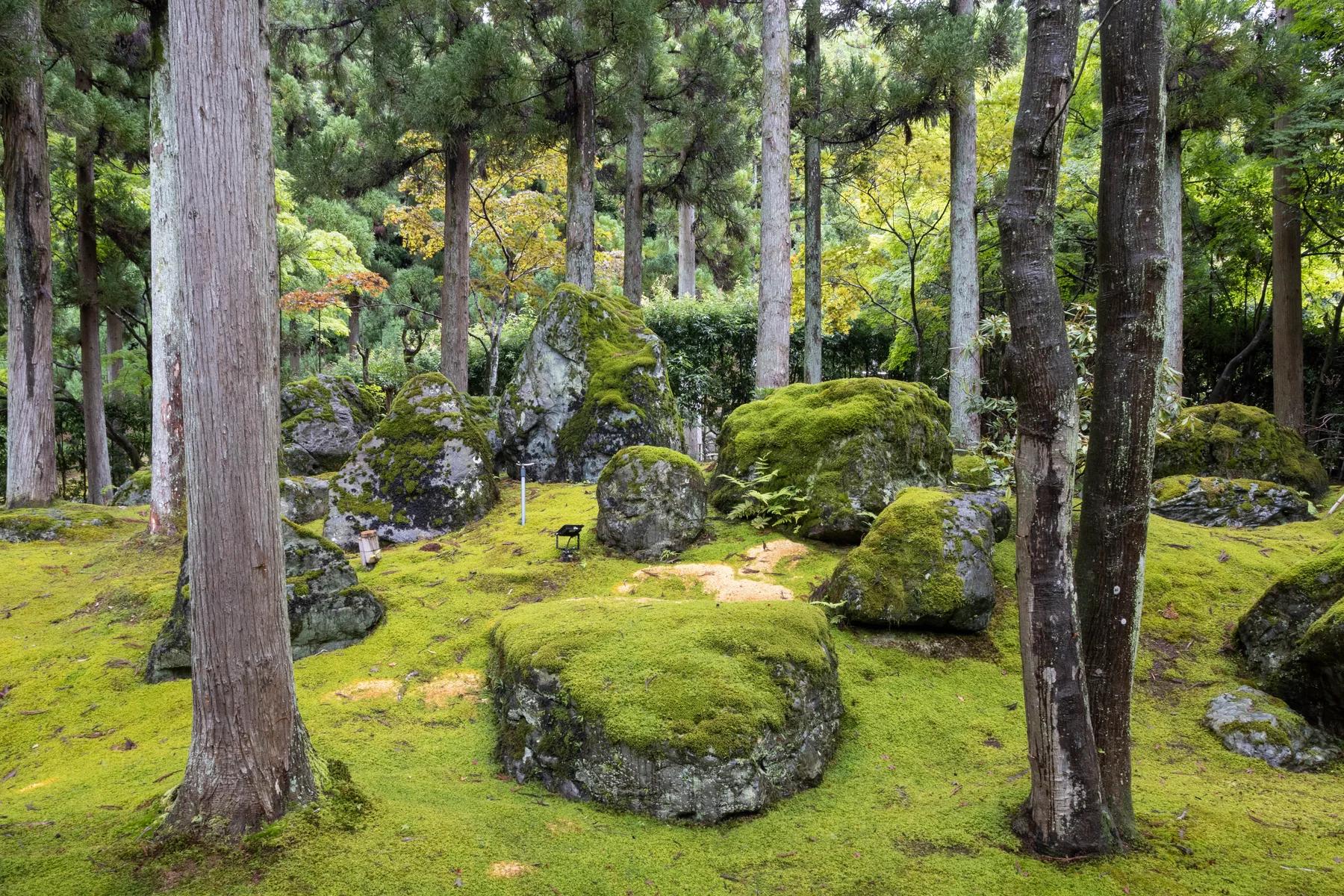
Beyond the buildings lies the North Garden — a stroll garden of moss and centuries-old Kitayama cedars laid out along the Kamiyagawa.