作品展示・購入
Exhibits & Collecting
Included with your admission ticket.
The following exhibits are all accessible with general admission to MOSS KOGEI Kyoto. Unless otherwise marked within the venue, all display items are available for purchase. Kogei exhibitions and sales take place across several spaces within the gardens. There is no fixed route — wander the moss gardens and explore at your own pace.
Great Masters名匠の仕事
Alongside the exhibition and sale of work by contemporary artisans, MOSS KOGEI Kyoto presents a special display of museum-quality masterpieces by master artisans including Kuroda Tatsuaki, Kawai Kanjirō and Bernard Leach.
The venue is Hōgyokutei, a guesthouse not normally open to the public, where these rare works by the masters can be seen up close.
Hōgyokutei is a sukiya-style guesthouse built by Shōzan's founder, Matsuyama Masao, from materials he selected from across Japan. With rooms such as the Seihō Room, with its hanging scroll associated with Takeuchi Seihō and its gold-leaf fusuma, and the Ōkyo Room, whose fusuma paintings are attributed to Maruyama Ōkyo, the building alone is worth the visit. It is a rare chance to see the masters' work up close in this exquisite building, usually closed to the public.
Kogei’s Next Wave工芸のいま
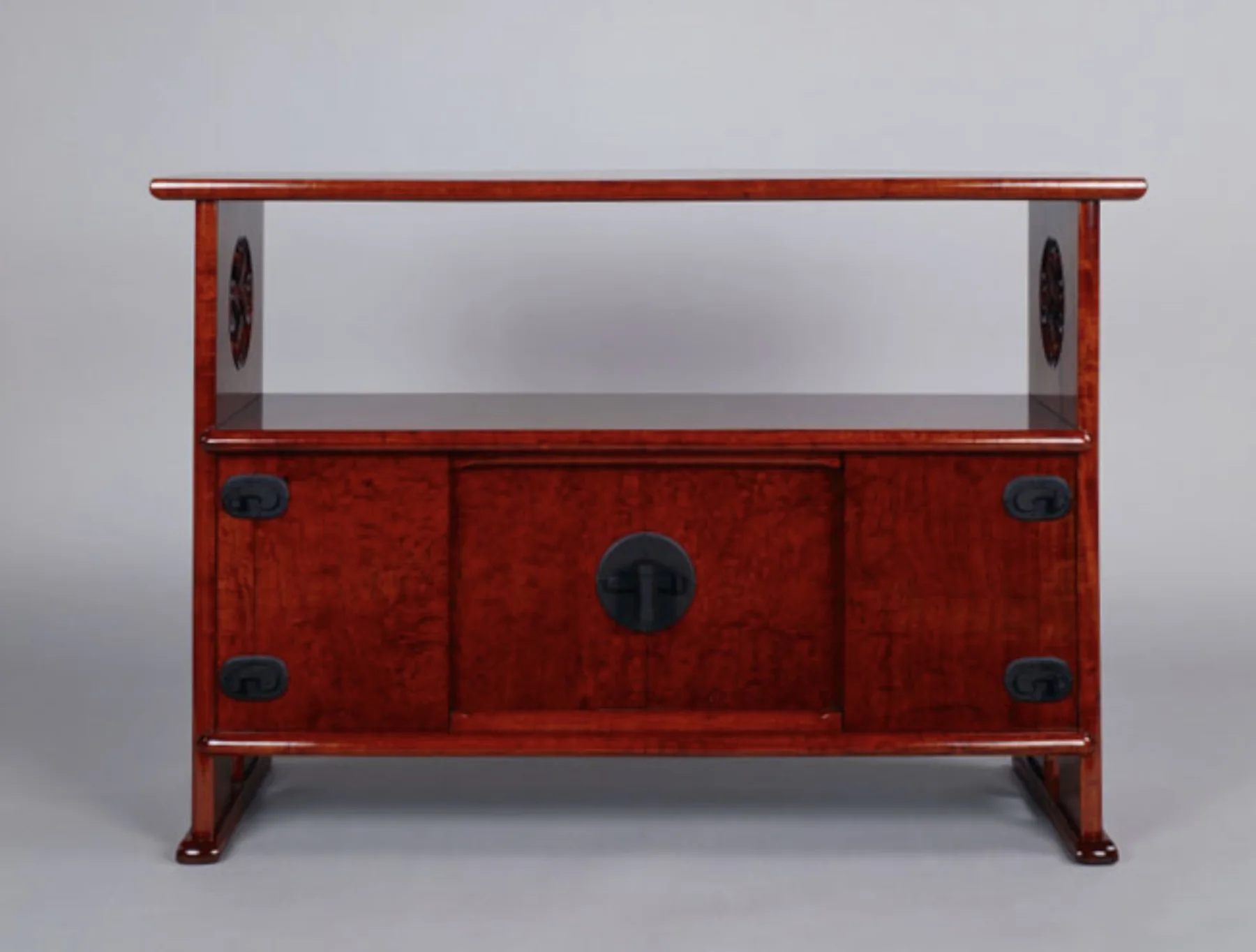
Around thirty contemporary kogei artisans from across Japan show work across ceramics, woodwork, lacquer, metalwork, glass, washi, bamboo and textiles, installed through the historic buildings of SHOZAN Kyoto. All pieces are available to purchase.
- Images are for reference only and differ from the works shown at the venue.
- Whether the artisans themselves will attend on the day is not yet decided.
- More participating artisans will be added.
Artisans of Takagamine鷹峯の作家たち
In Takagamine and its surroundings, which carry on the culture nurtured by the artists' village, many ways of making are still alive. Through the work of makers tied to Takagamine, we look at the lineage of creation that runs from Hon'ami Kōetsu.
Shokuraku Asano織楽浅野
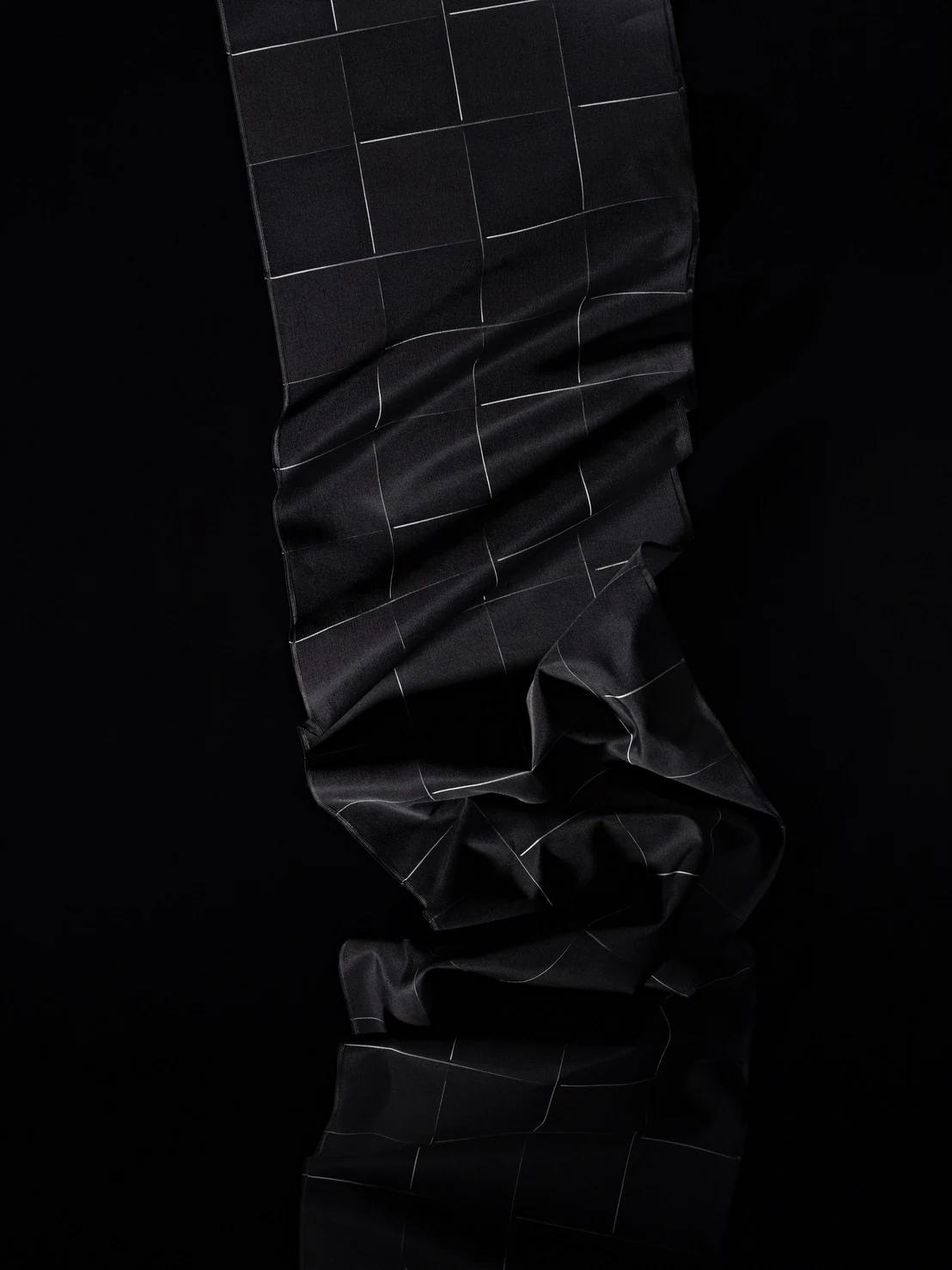
Nishijin weaving house Shokuraku Asano, founded in 1980 by father-and-son Asano Hirotaka and Asano Hiroki (the family's weaving workshop itself dates to 1924, founded by Asano Seiichi). Working under the philosophy "the joy of weaving," the studio creates obi favoring a restrained palette with depth and texture. Winner of the 1987 International Textile Competition (Industrial Design category); has held solo exhibitions at Ginza Motoji since 2005. Hiroki, who studied graphic design, joined the family business in 2014 and explores contemporary expression within traditional weaving technique.
Chiyoko Tanaka田中千世子
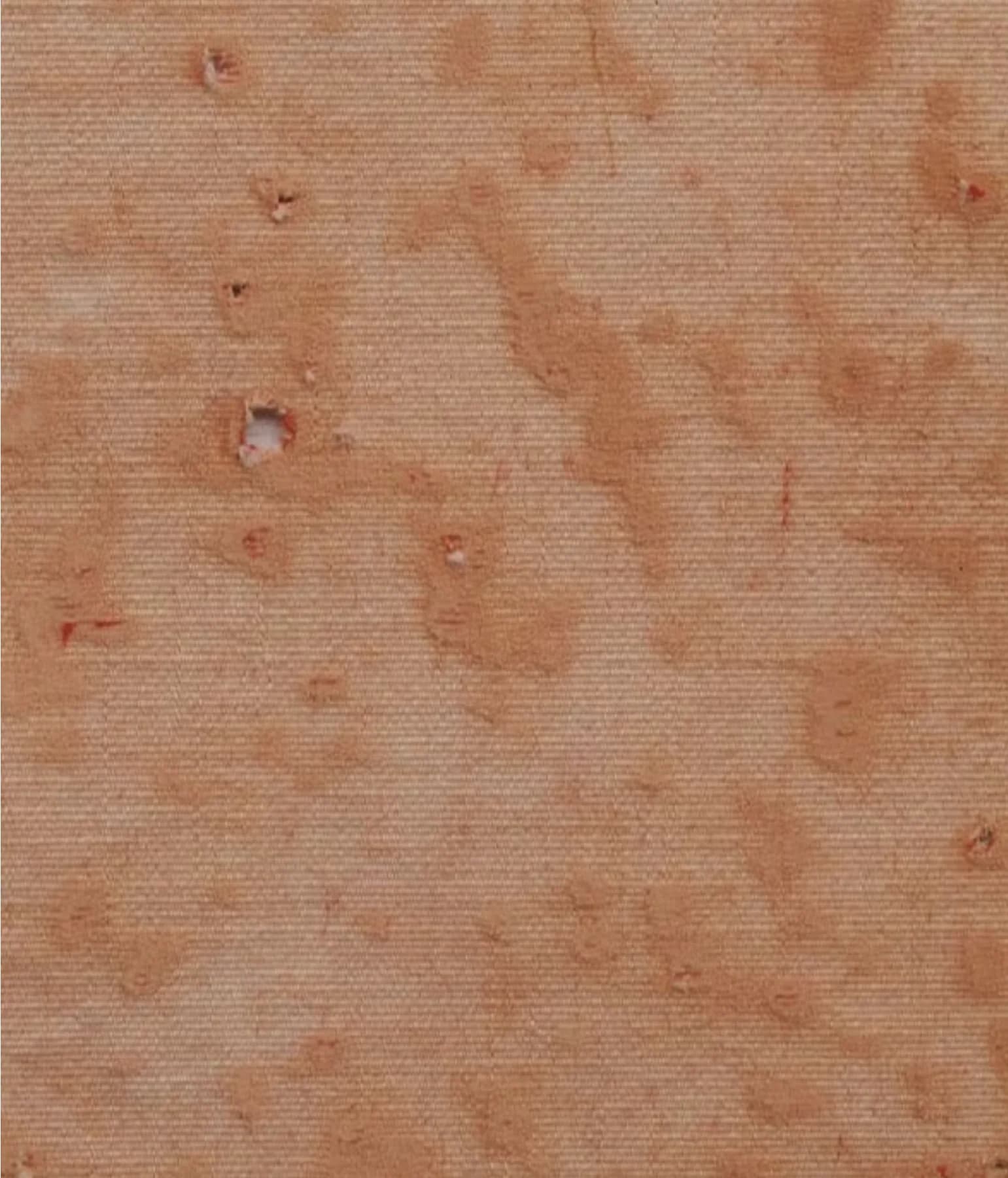
Textile artist working in the tradition of Kyoto's woven silk textiles. Her distinctive process, which she calls "Grinding," involves weaving cloth and then rubbing it repeatedly with tools such as brick or white stone, adding color through soil or charcoal application. Graduated from Kyoto City University of Arts in 1965. Exhibiting internationally since 1980, with solo shows across Japan and group exhibitions at institutions including the Art Institute of Chicago, MoMA New York, and the Stedelijk Museum. Awarded the Bronze Prize at the 6th International Textile Triennial in Łódź, Poland (1988). Work held in public collections in Germany, the USA, the Netherlands, Israel, and France.
Hisashige Ito伊東久重
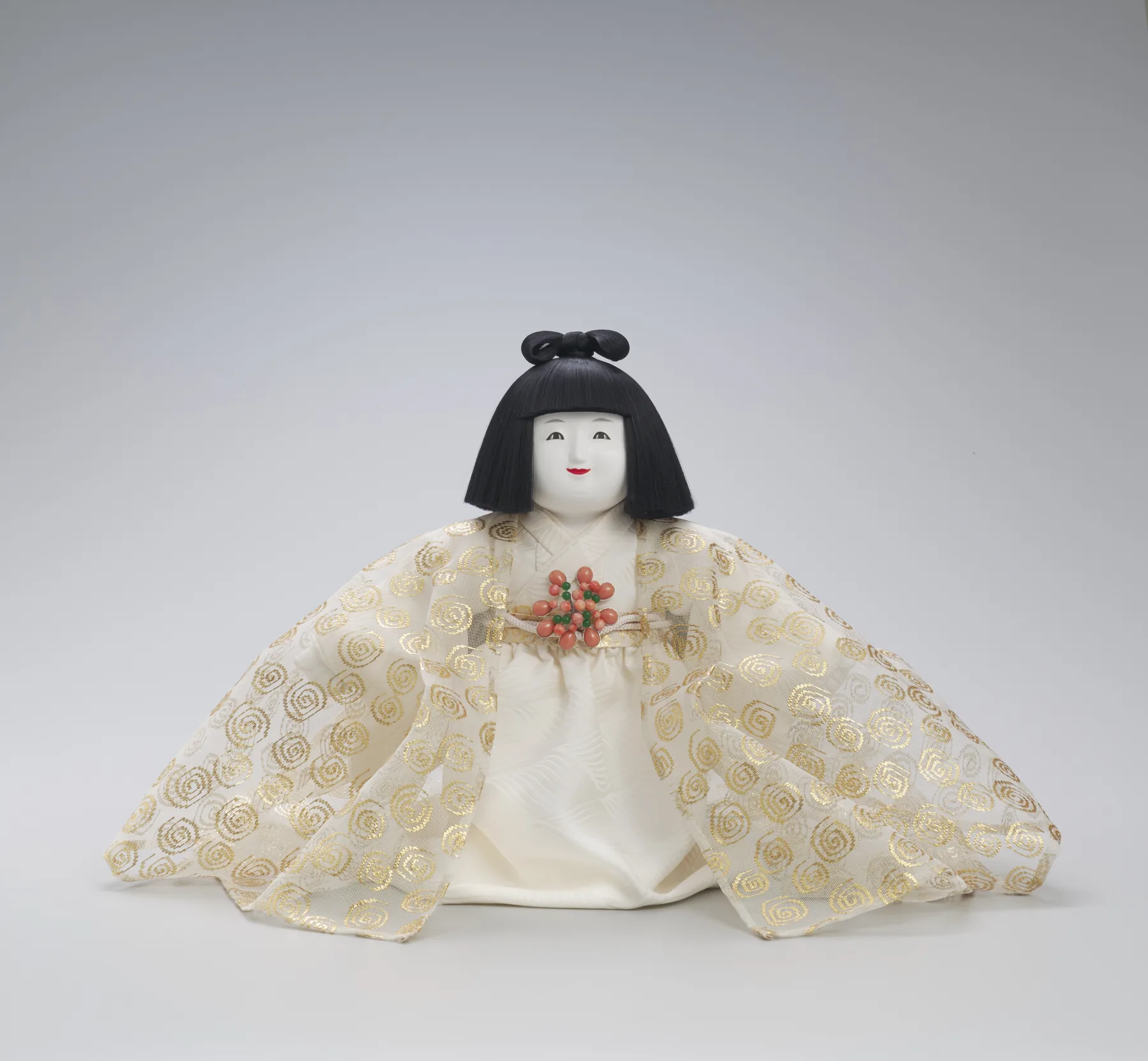
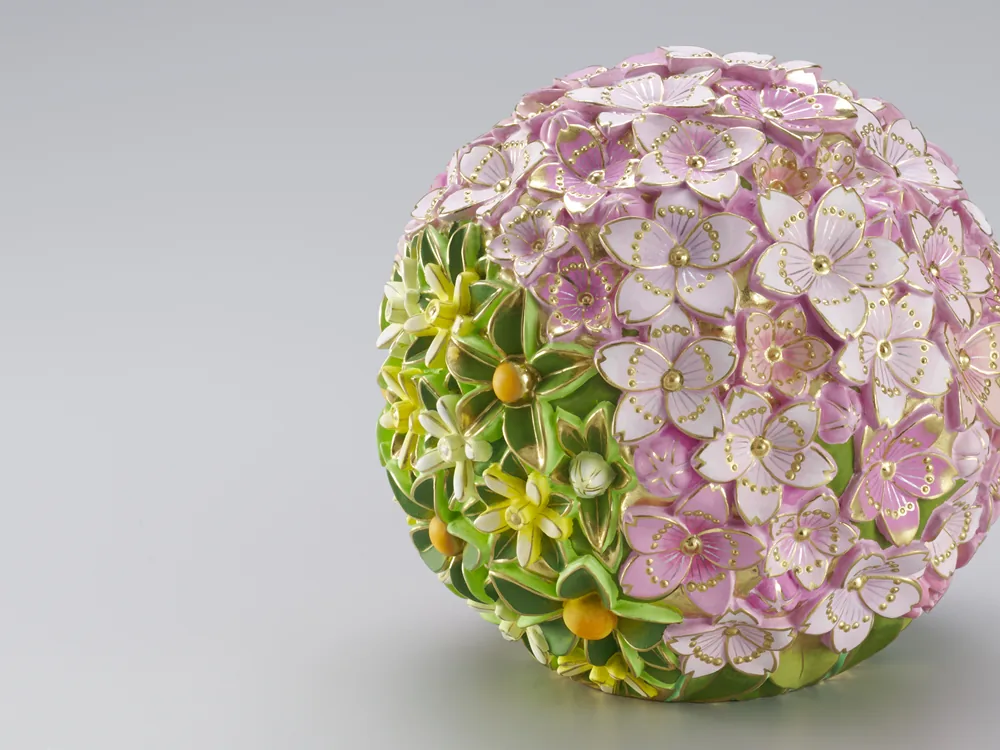
Itō Hisashige XII, head of the Itō family, Yūsoku Oningyō-shi (purveyors of court dolls). The Itō family has made gosho dolls since the Kyōhō era of the Edo period. In 1767 Emperor Kōkaku bestowed on it the title “Yūsoku Oningyō-shi Itō Hisashige,” and every head of the family since has taken the name Hisashige. Born in Kyoto in 1944, the eldest son of the Itō family, he began making dolls in earnest while a student at Dōshisha University and became the twelfth Hisashige in 1978. He has held 13 solo exhibitions at Wako in Ginza and 11 at Takashimaya Kyoto, and has also exhibited at Expo ’85 in Tsukuba, the Sagawa Art Museum, and in Vienna and Madrid.
Shogoro Ito伊東庄五郎
Itō Shōgorō. Born in Kyoto in 1971, the eldest son of the Itō Hisashige family, he began arabori (rough carving), the foundation of the craft, as a child. After graduating from university he trained in earnest as a gosho doll maker under his father, Hisashige XII. He held his first solo exhibition at Wako in Ginza in 2010, followed by solo shows at Takashimaya stores across Japan. He has been a part-time lecturer at Dōshisha Women’s College since 2015. In 2019, marking the new imperial era, he took the heir’s name Shōgorō as successor to become Hisashige XIII. In 2026 he presents “Yūsoku Oningyō-shi Itō Hisashige: Three Generations” at Wako, Ginza.
SHOZAN Kyotoしょうざん
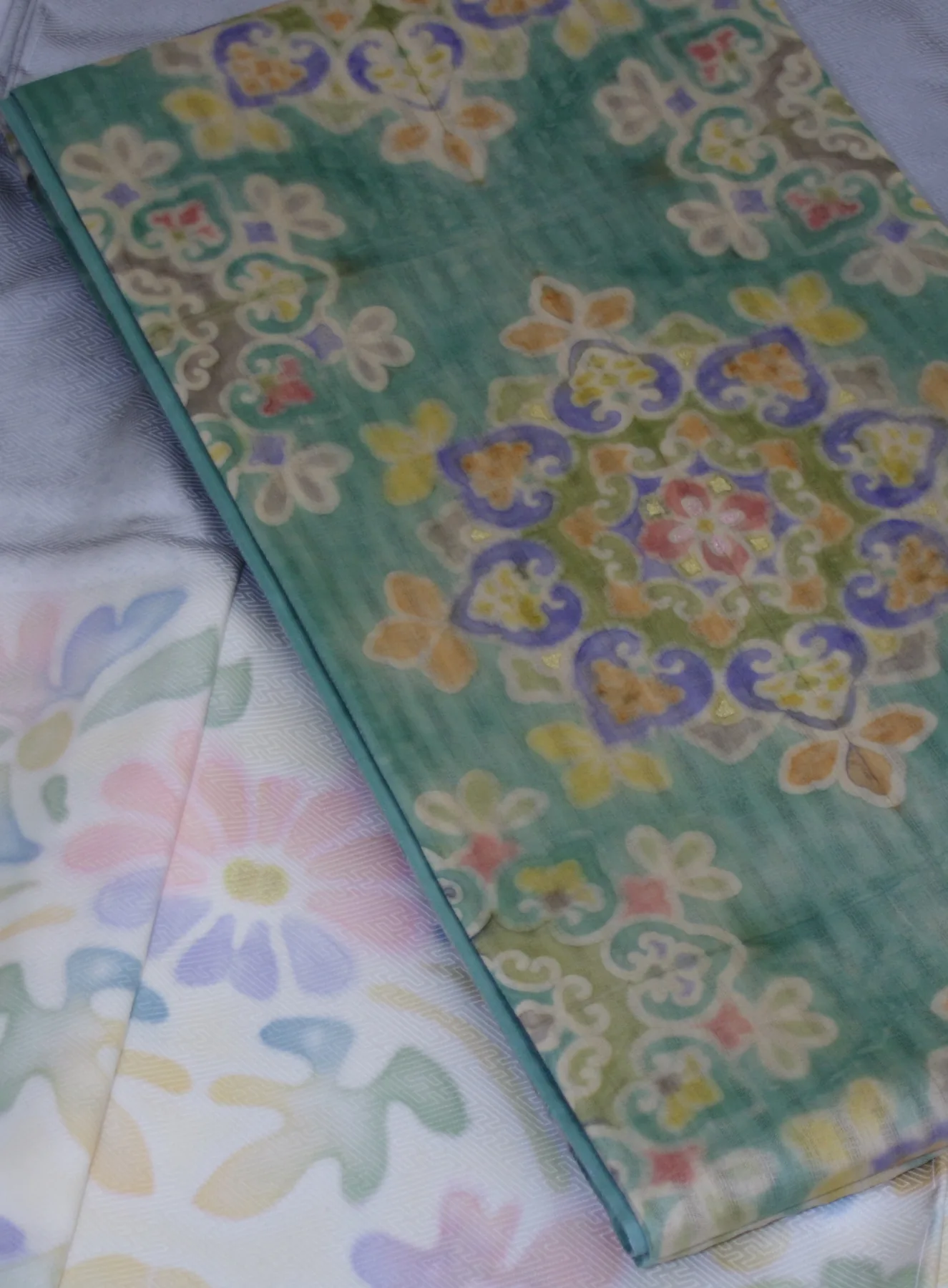
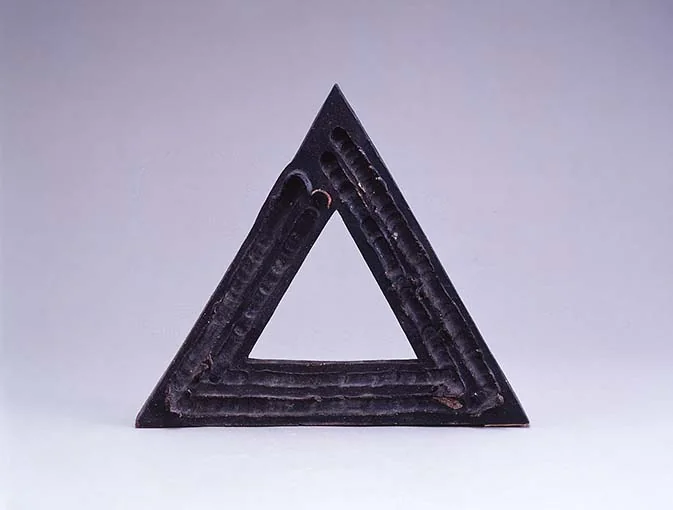
Kyōkechi is one of three ancient resist-dyeing techniques (with kōkechi and rōkechi) that fell out of use after the Nara period. The process presses fabric between two carved wooden boards and pours dye through pierced openings to create the pattern. It was revived in the Shōwa era, over fourteen years, by the Nishijin craftsman Tokuda Yoshizō. Shōzan produces kimono and obi using this technique.
Shoichi Ida井田照一
Shoichi Ida (born September 13, 1941, in Kyoto; died June 5, 2006) was a contemporary artist working primarily in printmaking, alongside oil painting, paper works, ceramics, and bronze. His practice centered on the concept "surface is the between," exploring the relationship between image and perception. He exhibited internationally from the 1970s, including at the Venice Biennale and the Paris Biennial, and in 1986 collaborated on a publication with Robert Rauschenberg and Cy Twombly. A retrospective of his work was held at the National Museum of Modern Art, Kyoto, in 2012.